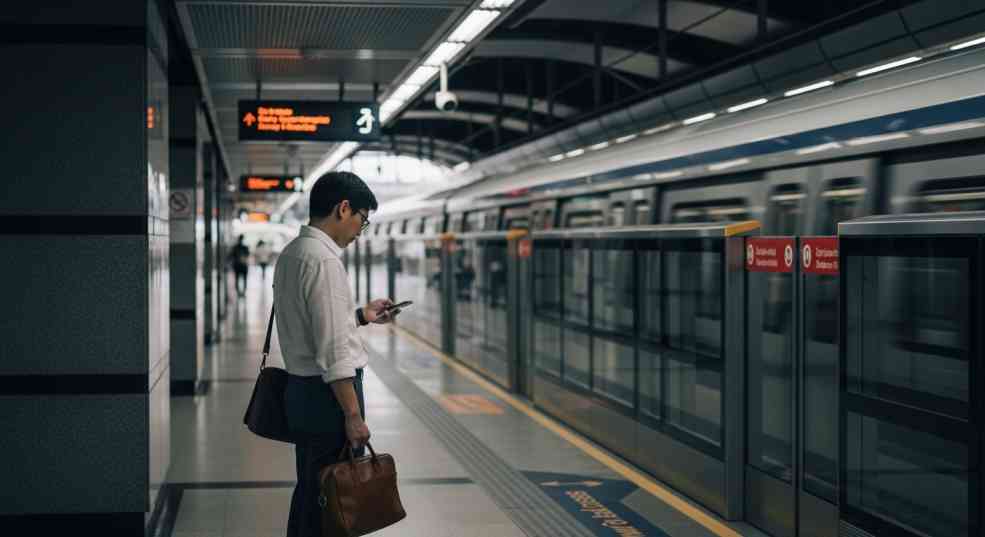
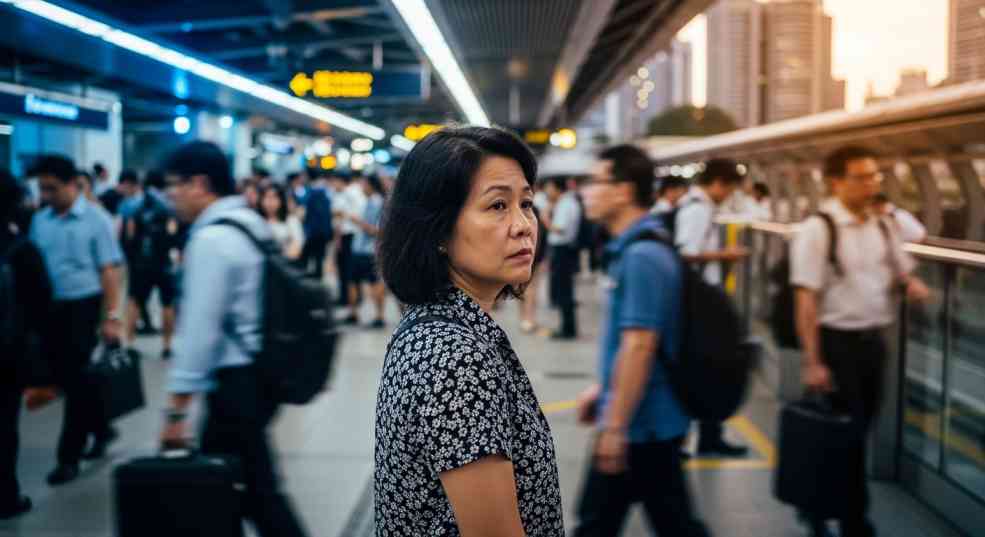
Living in Singapore often feels like a constant transition between two different worlds. You might start your morning in the heavy humidity of a heartland bus stop only to spend the next nine hours in a bone dry office building in the Central Business District. For many of us, this daily ritual leads to a familiar and frustrating sensation that feels like fine grains of sand are trapped under our eyelids.
It is easy to blame the late nights at the office or the hours spent scrolling through social media during the MRT commute. We often dismiss the redness and irritation as mere fatigue, but for a growing number of residents in our city, these symptoms point toward a more persistent medical concern. Distinguishing between a temporary case of tired eyes and a condition that requires professional intervention is the first step toward reclaiming your visual comfort.
The Unique Environmental Struggles of Singapore Residents
Our city state presents a perfect storm of factors that contribute to ocular discomfort. While the tropical climate outside is naturally humid, our indoor lives are almost entirely climate controlled. Most professionals spend the majority of their waking hours in environments where the moisture is stripped from the air. This constant exposure is a leading cause of itchy eyes air con sensitivity that many locals complain about daily.
When you sit under a vent for eight hours, your natural tear film evaporates much faster than it can be replaced. This is not just a minor annoyance. Over time, the surface of the eye can become inflamed, leading to a cycle of dryness that becomes harder to break with simple over the counter drops. The contrast between the sweltering heat of the hawker center and the frigid air of the shopping mall only adds to the stress placed on our eyes.
Screen Time Eye Strain vs Chronic Dry Eye Disease
In a society as digitally connected as ours, screen time eye strain has become an almost universal experience. Whether it is a high pressure fintech job at Raffles Place or a marathon gaming session in a bedroom in Tampines, our screens are never far away. However, there is a distinct difference between eyes that are simply tired from focusing and a tear system that has fundamentally failed.
Screen fatigue usually happens because we forget to blink. When we stare at a monitor, our blink rate drops by more than sixty percent. This means the eye surface stays exposed for too long. Chronic dry eye, however, is often related to the quality of the tears themselves. If your meibomian glands, which produce the essential oils for your tears, are blocked, no amount of resting will fix the underlying issue.
Signs You Are Dealing With Simple Fatigue
- Your eyes feel heavy and tired only at the end of a long work day
- Blurred vision that improves significantly after a short nap or a walk outside
- Mild headaches focused around the brow area after intense focus
- Symptoms that disappear entirely over the weekend when you stay away from devices
Signs of a Deeper Ocular Issue
- A persistent stinging or burning sensation regardless of your screen usage
- Excessive tearing, which is actually the eye overcompensating for poor tear quality
- Difficulty wearing contact lenses for more than a few hours at a time
- Waking up with eyes that feel gritty and dry before you even look at your phone
The Singapore 20 20 20 Rule
To combat the daily grind, many local specialists recommend a simple habit. Every twenty minutes, look at something at least twenty feet away for at least twenty seconds. This allows the focusing muscles in your eye to relax and encourages a full, healthy blink to redistribute your tear film. If this small change does not bring relief within a week, it is likely time to seek professional advice.
Navigating Dry Eye Treatment Singapore Options
When home remedies like warm compresses and generic lubricating drops fail to provide relief, it is time to look into professional dry eye treatment Singapore clinics offer. We are fortunate to live in a medical hub with access to some of the most advanced diagnostic tools in the region. Modern treatment has moved far beyond just adding more artificial tears to the eye.
Specialists now use advanced imaging to look at the structure of your tear glands. They can measure the exact salt concentration of your tears and see which layer of the tear film is lacking. For many Singaporeans, the solution involves localized heat treatments or light therapy to unblock glands that have become stagnant from years of office work. These procedures are often quick and performed right in the clinic during a lunch break.
| Treatment Type |
Best For |
Typical Experience |
| Prescription Lubricants |
Mild to moderate chronic dryness |
Daily drops that are more viscous than over the counter versions |
| Thermal Pulsation |
Meibomian Gland Dysfunction (MGD) |
A warm, massaging sensation on the eyelids to clear oil blockages |
| Intense Pulsed Light (IPL) |
Inflammation and severe redness |
Light pulses applied to the cheek and eyelid area to reduce swelling |
| Punctal Plugs |
Low tear volume |
Tiny inserts that keep your natural tears on the eye surface longer |
Choosing the Right Ophthalmologist SG for Your Needs
Finding the right doctor is a personal process that often begins with a search for an ophthalmologist SG residents trust. While many general practitioners can prescribe basic eye drops, a dedicated eye specialist has the equipment necessary to determine if your dry eyes are a symptom of an underlying autoimmune condition or a direct result of your environment.
When you are looking for a clinic, pay close attention to eye clinic reviews from other patients who have specifically dealt with dry eye issues. Look for mentions of the diagnostic process. Did the doctor take the time to explain the cause of the dryness, or did they simply provide a sample bottle of drops and send the patient on their way? A good specialist will look at your lifestyle, your workstation setup, and even your diet to provide a holistic solution.
Questions to Ask During Your First Appointment
- Is my dryness caused by a lack of tear volume or poor tear quality?
- Are my current office environment and air conditioning settings making this worse?
- Is there a long term solution that does not involve using drops every hour?
- How does my screen usage specifically affect my particular eye structure?
Practical Daily Habits for the Modern Singaporean
While medical intervention is vital for chronic cases, your daily habits play a massive role in managing screen time eye strain. Our city is fast paced, but taking a few moments to adjust your surroundings can make a world of difference. Consider the height of your monitor. If you are looking up at a screen, your eyes are opened wider, which increases the surface area for evaporation. Lowering your screen so you look slightly downward can help keep your eyes more covered by your lids.
Hydration is another often overlooked factor. In our heat, we lose a lot of fluid. Drinking plenty of water helps maintain the moisture levels throughout your body, including your eyes. Furthermore, if you are a frequent user of the MRT or spend a lot of time in malls, try to avoid standing directly under the air conditioning vents where the airflow is most aggressive.
Summary of Next Steps
If you find yourself constantly rubbing your eyes or reaching for drops every time you finish a Zoom call, do not wait for the problem to resolve itself. The transition from temporary irritation to permanent gland damage can be subtle. Start by implementing the 20 20 20 rule and checking your office ergonomics. If the grittiness persists, it is a clear signal from your body that it is time for professional help.
Take Action for Your Vision
Your eyes are your most important tools for navigating our vibrant city. Whether it is for work or play, you deserve to see the world without the constant distraction of discomfort. Start by researching eye clinic reviews and booking a comprehensive exam with an ophthalmologist SG expert. Proper dry eye treatment Singapore specialists provide can change your daily quality of life, letting you focus on what really matters in our fast paced home.