Walking out of the humidity and into the crisp air conditioning of Changi Airport is the first step into a world where efficiency is a religion and order is an art form. While Singapore is often celebrated for its skyline and Michelin stars, the real heartbeat of the city lies in the silent agreements made between millions of people every single day. If you want to move through this island like you belong here, you need to look past the gleaming glass and focus on the small, almost invisible habits that keep the Lion City purring.
The Unspoken Law of the Tissue Packet
The most striking thing you will witness at a crowded lunch hour is not the food, but the sight of a lone packet of tissues sitting on an empty plastic stool. In any other global city, this might look like trash or a forgotten item. In Singapore, that tissue packet is a sacred land deed. This is the foundation of choping culture, a social contract that allows a person to reserve a seat while they go to join a twenty person queue for chicken rice.
Locals understand that time is precious and hawker centers are battlegrounds. By placing a small, inexpensive item like a pack of tissues, an umbrella, or even a staff lanyard on a table, you are telling the world that the space is occupied. It is a remarkably peaceful system built on mutual respect. First time visitors often make the mistake of sitting down at an empty table only to be met with a polite but firm explanation that the table has already been choped.
Why Choping Culture Exists
The logic is simple. If you wait until you have your tray of hot noodles to find a seat, you will likely be wandering for ten minutes while your soup gets cold and your noodles get soggy. Choping allows the flow of a hawker center to remain efficient. It ensures that once you have your food, you have a place to enjoy it immediately. This practice is so deeply ingrained in local customs Singapore residents consider it a basic survival skill for the midday rush.
The Fluidity of Public Transport Rules SG
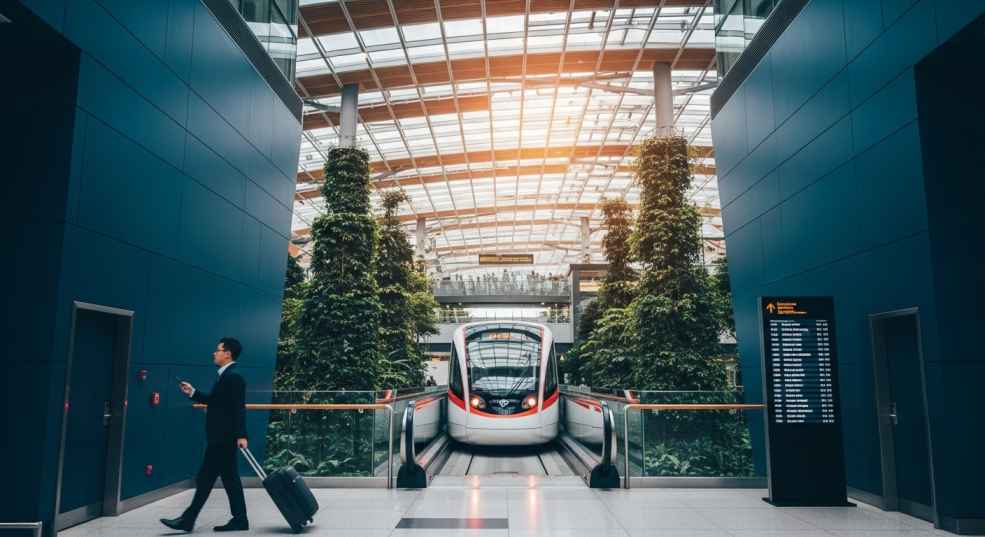
Singapore has one of the most sophisticated transit systems on the planet, but its success relies heavily on the behavior of the commuters. When you step onto an escalator in an MRT station, you will notice a perfect, silent line of people standing on the left. The right side is strictly for those in a hurry. Blocking the right side is the local equivalent of a major social faux pas.
Inside the trains, the public transport rules SG residents follow are about more than just where to stand. There is a palpable sense of communal space. You will rarely hear a loud phone conversation or see someone taking up more room than necessary. The most famous rule, of course, is the total ban on eating and drinking. This is not just a suggestion. It is strictly enforced to keep the stations pristine and pest free. Even a sip of water on the platform can technically result in a fine, which is why the stations look as clean today as they did when they first opened decades ago.
Pro Tip: The SimplyGo Movement
Forget buying single trip tickets or even hunting for a physical EZ Link card. Most locals now use SimplyGo, which allows you to tap your contactless credit card or mobile phone directly at the gantries. It saves you from the queue at the top up machines and ensures you always have the best fare rate for your journey.
Decoding Tipping in Singapore
One of the most confusing aspects for travelers coming from the West is the financial etiquette at the end of a meal. You will notice that tipping in Singapore is almost never expected. If you look at your bill in a standard restaurant, you will see two significant additions: a 10 percent service charge and a 9 percent Goods and Services Tax.
The service charge is intended to cover the gratuity for the staff. While you are welcome to leave a small extra tip for exceptional service, it is not the norm. In fact, at hawker centers or small coffee shops known as kopitiams, tipping is virtually non existent. Attempting to leave a few dollars on a plastic table might even result in a confused uncle running after you to return the “forgotten” money.
| Scenario |
Tipping Norm |
Tax / Service Charge |
| Hawker Centers |
No tipping expected. |
None. Price is as listed. |
| Mid Range Restaurants |
Not expected. |
10% Service + 9% GST added. |
| Fine Dining |
Optional but appreciated. |
10% Service + 9% GST added. |
| Taxis / Ride Share |
Round up to nearest dollar. |
No service charge. |
Singapore Social Etiquette and the Family Tree
If you spend more than an hour in a local neighborhood, you will hear people calling strangers “Uncle” or “Auntie.” This is a cornerstone of Singapore social etiquette. It is a sign of respect used for anyone older than you, regardless of whether you are related. The taxi driver is Uncle. The woman serving your coffee is Auntie.
Using these terms bridges the gap between stranger and neighbor. It softens the tone of the city and creates a sense of community in a place that could otherwise feel like a cold metropolis. However, there is a subtle art to it. You wouldn’t use these terms in a high level corporate boardroom, but in the streets and markets, it is the most effective way to show you understand the local social fabric.
The Art of the Queue
Singaporeans love a good queue. Whether it is for a limited edition sneaker release or a plate of famous fried kway teow, the line is a symbol of quality. There is a deep respect for the order of the queue. Cutting in line is considered one of the most offensive things you can do. Locals will wait patiently for forty minutes for a specific dish because they trust the collective wisdom of the crowd. If there is a line, the food is probably worth it.
Navigating Local Customs Singapore Residents Live By
There are dozens of small habits that define life on the island. For instance, the way you enter a home is non negotiable. You must remove your shoes before stepping across the threshold. This practice is rooted in Asian traditions of cleanliness and is practiced by almost every household in the city. Even in some small boutique offices or clinics, you might be asked to swap your shoes for guest slippers.
Another fascinating habit involves the way locals interact with the “Fine City” reputation. While the laws regarding littering, chewing gum, and jaywalking are real, the daily reality is less about fear of the law and more about a collective pride in the environment. People don’t litter because they genuinely want their city to stay beautiful. This sense of ownership is why you can walk through a park at midnight and find it perfectly manicured and safe.
- Always clear your own tray at hawker centers to avoid a fine and show respect for the next diner.
- Keep your voice down on public transport to maintain the quiet environment others value.
- Use your right hand or both hands when giving or receiving cash and business cards.
- When using an umbrella in a crowd, be mindful of the height to avoid poking others in the eye.
- Do not bring durians on the bus or train, no matter how well they are wrapped.
The beauty of Singapore is found in the rhythm of its rules. What might first appear as a rigid society is actually a highly functional ecosystem where people look out for one another by following a shared set of guidelines. Once you embrace the choping culture and learn to call your local coffee seller Auntie, the city opens up in a way that feels incredibly welcoming. You aren’t just a visitor watching a city work. You become a part of the clockwork that makes this island one of the most livable places on earth.