The air in Singapore does not just sit around: it clings. It carries the scent of damp concrete and the faint, sweet ghost of pandan from a nearby bakery. For years, the world looked at our gleaming skyline and saw a city that was too clean, too orderly, and perhaps just a little bit soulless. They called it a fine city, both for its beauty and its penalties. But those of us who walk these streets know the truth. The sterile reputation is just a polished mask.
Beneath the glass and steel of the central business district lies a complex, beautiful, and occasionally messy reality. We are living through a period of deep reflection where we ask what it actually means to be a modern global hub while keeping our roots firmly planted in the mud of our history.
The myth of the sterile garden
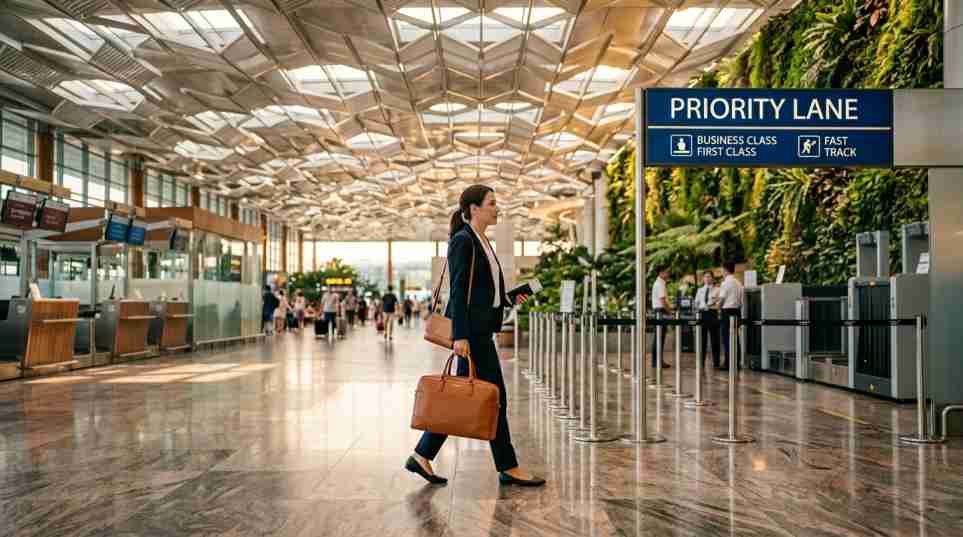
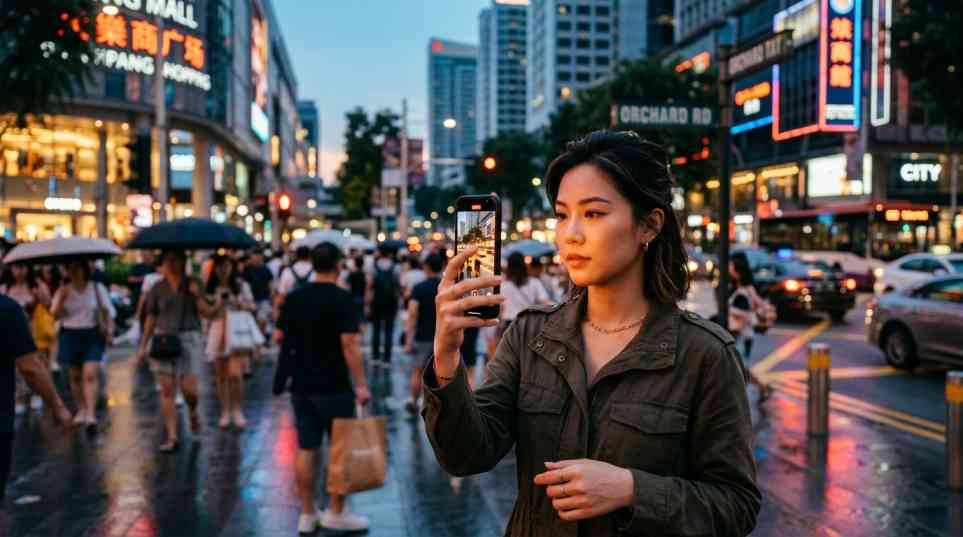
One of the most persistent Singapore lifestyle myths is that everything here is manufactured. Critics love to point at the manicured trees and the perfect malls as evidence of a lack of character. It is an easy observation to make if you only spend your time between a luxury hotel and a high end shopping center.
The order we see is not a lack of soul: it is a survival tactic. In a tiny nation with no natural resources, every inch of space has to work. But if you look past the symmetry, you find the friction that makes a city feel alive. You find it in the uncle arguing about football over a cup of kopi or the smell of incense drifting from a doorway in a quiet back alley.
Finding the rhythm of local SG life
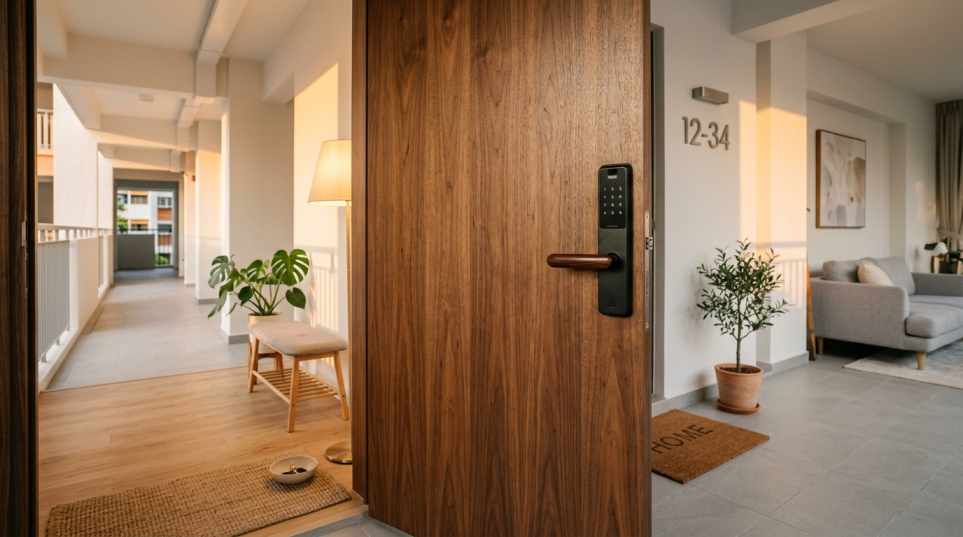
To see the real city, you have to leave the gravity of the tourist hubs. The soul of the country does not live in a climate controlled dome. It lives in the public housing estates where laundry poles reach out like fingers toward the sun. These neighborhoods are where the Singapore cultural identity is truly forged.
In these spaces, the boundaries between cultures blur. You might hear three languages in a single elevator ride. This is where the magic happens. It is in the shared tables at the hawker center where a CEO and a construction worker might sit side by side to eat the same bowl of noodles. That lack of pretension is the heartbeat of the island.
“A city is not just a collection of buildings: it is a collective memory held by the people who refuse to let the old stories die even as the new towers rise.”
Chasing hidden gems Singapore hides in plain sight
Many visitors ask about the best things to do in Singapore, and they usually get a list of the same five landmarks. Those places are stunning, but the soul is found elsewhere. It is found in the older industrial estates where creative studios are moving into high ceilinged warehouses. It is found in the coastal paths where the jungle still tries to reclaim the pavement.
There is a quiet joy in exploring the wet markets at dawn. The shouting of the vendors and the bright colors of tropical fruit provide a sensory explosion that no shopping mall could ever replicate. These are the moments that break the boring narrative. The city is a masterpiece of contradictions: high tech yet deeply traditional, small in size but massive in ambition.
Beyond the Surface
The identity of the city is shifting. We are moving away from being just a place where things work well and toward being a place where things feel right. The soul is not lost: it is just waiting for you to step off the main road and find it in the steam of a kitchen or the quiet of a neighborhood park.
The great identity crisis
We often struggle with how we want the world to see us. Do we want to be the futuristic city of tomorrow or the humble port town of yesterday? The answer is usually both. This tension creates a unique energy that defines our current era. We are protective of our heritage while being obsessed with the future.
This internal struggle is exactly what makes the city interesting. It is a place that is constantly reinventing itself while desperately trying to remember where it came from. When you look at the city through this lens, the boring label falls away. You begin to see a nation that is fiercely alive and deeply complicated.
The next time someone says this place has no soul, tell them they are looking in the wrong direction. The soul of the city is not found in the lights: it is found in the shadows of the old shophouses and the warmth of a shared meal. It is right here, pulsing under the heat of the midday sun, waiting to be felt.