Walking through the sun drenched streets of Serangoon Road feels like stepping into a living archive where every corner whispers stories of resilience and tradition. The scent of fresh jasmine garlands mingles with the sharp aroma of grinding spices while the distant rhythm of temple bells anchors the neighborhood in a timeless grace. This is the heart of a narrative that spans centuries: a story of migration and the enduring spirit of a people who helped build a nation.
The Early Waves of the Indian Diaspora SG
The history of the Tamil community in Singapore is inextricably linked to the very foundation of the modern port. When Stamford Raffles arrived in 1819 he was not alone. Among those who stepped onto the marshy banks of the Singapore River were individuals like Naraina Pillai who came from Penang to seek new opportunities. He became a pioneer of the early Indian diaspora SG and established the first brick kiln on the island. His legacy remains visible today through the Sri Mariamman Temple which stands as a testament to the early arrival of South Indians.
In those formative years the community was a diverse mix of traders and laborers as well as administrative clerks and teachers. They brought with them more than just their labor. They carried their language and their religious practices and their culinary secrets. These early settlers were the architects of a social structure that would eventually become a cornerstone of the identity of the island. They turned a swampy trading post into a home and ensured that their cultural roots would find fertile ground in the tropical soil of Southeast Asia.
From Traders to Builders
The physical growth of the colony relied heavily on the muscle and expertise of Tamil workers. Many were involved in the construction of iconic landmarks like Saint Andrews Cathedral and the Istana. While some arrived as convicts who earned their freedom through hard work others came as free migrants looking to trade in textiles and jewelry. This mix of backgrounds created a unique social layer within the growing city.
The Rise of the Chitty Community
An interesting facet of this early period was the emergence of the Peranakan Indians or the Chitty Melaka community. These were individuals of Tamil descent who had lived in Malacca for generations and had adopted many local Malay customs while retaining their Hindu faith. When they moved to Singapore they added a distinctive layer to the cultural landscape and bridged the gap between the Indian subcontinent and the local Malay archipelago.
The Geographic Heart of Little India History
To understand the soul of the community one must spend time where Little India history began. While the early Indian settlers were originally clustered around Chulia Street near the Singapore River the center of gravity eventually shifted toward the Serangoon area. This shift was driven by the cattle trade which flourished in the lush grasslands near the Rochor River.
The buffaloes and the kilns are gone now but the street names still echo that past. Buffalo Road and Kerbau Road tell the story of a time when livestock was the primary currency of the district. As the cattle trade waned it was replaced by a bustling commercial hub filled with saree shops and goldsmiths and restaurants. This evolution ensured that the area remained a vital landmark for the Tamil heritage Singapore celebrates today.
| Historical Era |
Primary Focus |
Key Development |
| Early 1800s |
Pioneer Migration |
Establishment of Sri Mariamman Temple |
| Mid 1800s |
Cattle Trade |
Growth of Serangoon Road commerce |
| Late 1800s |
Infrastructure |
Arrival of administrative and medical professionals |
| Modern Era |
Cultural Preservation |
Designation of Little India as a heritage district |
Spiritual Pillars and Tamil Landmarks Singapore
Faith has always been the compass for the Tamil community. The skyline of Little India is punctuated by gopurams which are the grand and intricate entrance towers of Hindu temples. These structures are not just places of worship but are community centers where language and music and art are kept alive.
The Sri Veeramakaliamman Temple is perhaps one of the most striking Tamil landmarks Singapore offers. Built by early laborers it served as a spiritual sanctuary during the uncertain days of the nineteenth century. Its detailed sculptures of the goddess Kali offer a visual feast of traditional South Indian craftsmanship. Similarly the Sri Srinivasa Perumal Temple with its soaring entrance tower serves as the starting point for major religious processions like Thaipusam.
Pro Tip: Visiting the Temples
When you visit these sacred landmarks always remember to remove your shoes before entering the temple grounds. It is polite to dress modestly and avoid taking photos of the inner sanctum unless you have explicit permission. This respect for local customs is a key part of experiencing the true depth of Singapore multiculturalism.
The Power of Language and Education
Tamil is one of the four official languages of the island and this status is a source of immense pride. The commitment to preserving the mother tongue has led to a robust network of schools and literary societies and media outlets. The presence of Tamil Murasu which is the oldest Tamil language newspaper in the country highlights the long history of literacy and intellectual pursuit within the community.
This focus on education helped the community transition from labor roles into professional spheres. Over the decades the descendants of the early Indian diaspora SG have become leaders in law and medicine and politics. This social mobility was achieved without losing the linguistic connection to their roots. Today you can still hear the rhythmic beauty of the language spoken in the markets of Little India and the boardrooms of the Central Business District alike.
Festivals as a Living History
The calendar in Singapore is marked by the colors of Tamil celebrations. These are not just religious holidays but are public expressions of heritage that invite all Singaporeans to participate.
- Deepavali: The Festival of Lights transforms Little India into a shimmering sea of gold and purple lights as families celebrate the victory of light over darkness.
- Thaipusam: A powerful and deeply moving procession where devotees carry kavadis in an act of faith and gratitude.
- Pongal: A harvest festival that honors the sun and the cattle and the farmers who sustain life.
- Tamil New Year: A time of new beginnings often marked by family gatherings and traditional meals.
These festivals provide a sensory link to the past. The taste of traditional sweets like laddu or the sound of the nadaswaram during a wedding procession ensures that the culture remains a living and breathing entity rather than a museum piece.
Modern Identity and Singapore Multiculturalism
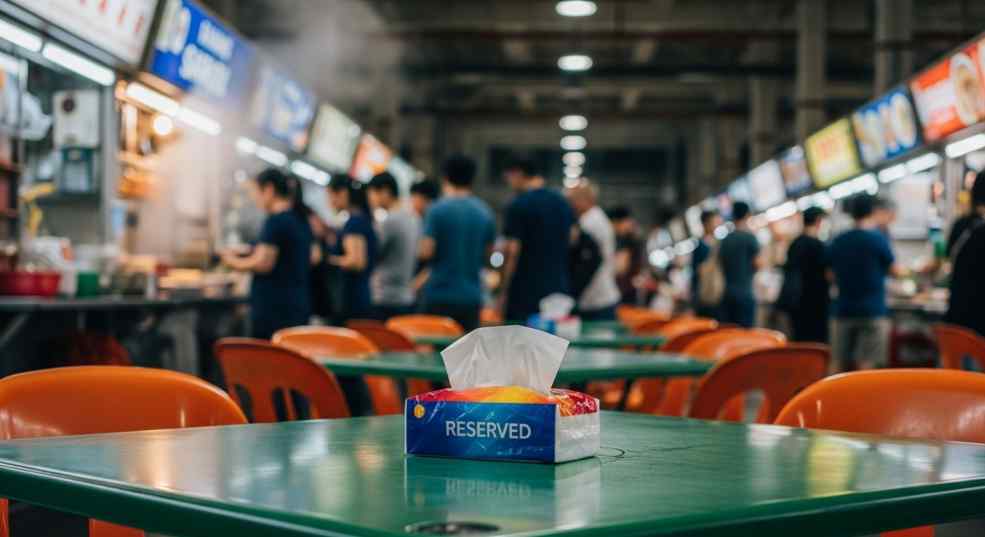
As the city has modernized the Tamil community has remained at the forefront of the story of Singapore multiculturalism. The integration of the community into public housing and the workplace has created a society where different traditions exist in a state of mutual respect. You can see this in the food courts where a plate of prata is enjoyed by people of all ethnicities.
However the modern identity of the community is not just about looking back. It is about how those deep roots provide the stability to grow in new directions. Tamil youth today are blending traditional art forms with modern influences and creating new expressions of what it means to be a Tamil Singaporean in the twenty first century. They are the guardians of a legacy that is both ancient and contemporary.
- Visit the Indian Heritage Centre to see curated artifacts and personal stories of the diaspora.
- Explore the back alleys of Little India to find street art that depicts the history of the neighborhood.
- Dine at a local banana leaf restaurant to experience the authentic flavors of South Indian cuisine.
- Attend a performance at the Esplanade during the Kalaa Utsavam festival to see classical Indian arts.
A Legacy Continued
The story of the Tamil community in Singapore is one of incredible endurance and profound contribution. From the first pioneers who arrived on wooden ships to the professionals who shape the future of the nation today the journey has been defined by a commitment to heritage and a love for the land. By exploring the history of Little India and the landmarks of the community we gain a deeper appreciation for the mosaic that is Singapore. The next time you walk down Serangoon Road take a moment to look beyond the colors and the crowds. You are walking through a history that is still being written and a culture that remains as strong and as deep as its roots.