If you are searching for a tranquil escape in Singapore, look no further than Lower Peirce Reservoir. This destination perfectly blends lush nature with fascinating local history. It is a haven for families and solo explorers alike. The unique combination of activities at Lower Peirce Reservoir: yabby catching, scenic park and boardwalk strolls makes it a must-visit spot.
In this guide, we will cover everything you need to know for a perfect day out. You will learn expert yabby catching techniques, explore the historic trails, and discover the wildlife that calls this park home.
Quick Park Overview:
Lower Peirce Reservoir Park holds a special place in the history of Singapore. Completed in 1912, it proudly stands as the second-oldest reservoir in the country. It was originally built to meet the rapidly growing water needs of a bustling port city.
Back then, it was known as the Kalang River Reservoir. Its pristine waters feed directly into the Kallang River, which is the longest river in Singapore. The historical significance is palpable when you walk its grounds.
In 1922, the reservoir received its current name. It was renamed to honor Robert Peirce, the Municipal Engineer who conceptualized the project. Today, this scenic park remains a vital green lung and a beloved recreational space.
One of the biggest weekend draws for families is the chance to catch wild yabbies. These elusive crustaceans hide among the granite rocks lining the fishing grounds. Finding them requires patience, a bit of skill, and the right technique.
Local experts have perfected a simple but highly effective method for yabby catching. You will need a small fishing net, a sturdy stick, and a piece of bread for bait. Do not try to scoop them directly, as they will quickly dart away.
Instead, use the bread attached to your stick to lure the yabby out from its rocky hiding spot. Carefully position your fishing net behind the creature. Then, gently force the yabby to swim backward straight into your waiting net.
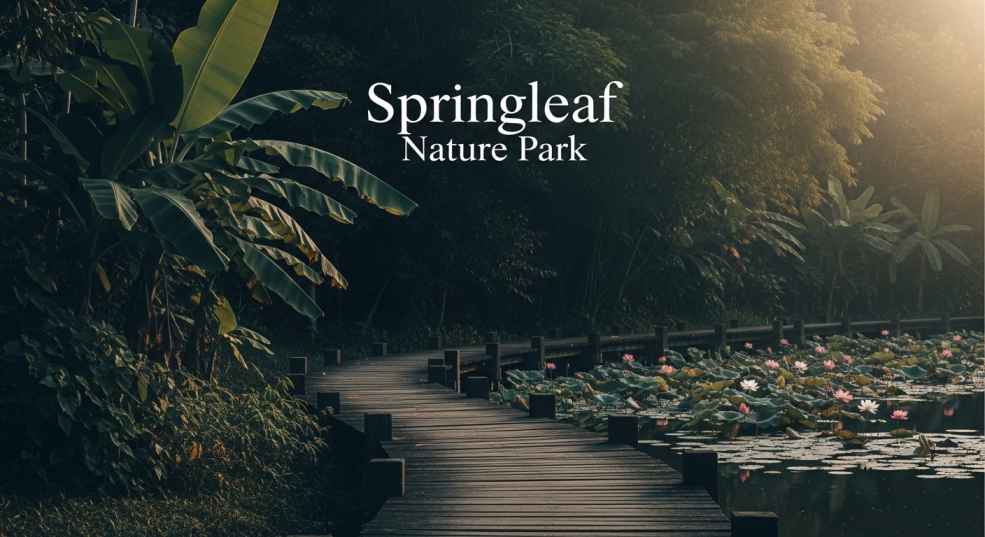
The Lower Peirce Boardwalk offers an incredibly peaceful journey through a mature secondary rainforest. Officially known as the Lower Peirce Trail, this 900-meter wooden path winds along the beautiful water edge. It is an easy walk suitable for all ages.
Please note that the main boardwalk is undergoing maintenance until the end of March 2026. However, you can still access other beautiful sections using the Jacaranda or Casuarina entrances. These alternative routes offer equally stunning views of the scenic park.
As you enjoy your boardwalk strolls, you will notice remnants of the area’s past. The forest was once a thriving plantation. You can still spot old rubber trees and oil palms towering above the newer trail paths like the Oncospermum and Bamboo trails.
Nature lovers will be thrilled by the rich biodiversity found within the park. The dense forest canopy and the calm reservoir waters create a perfect habitat for various native species. Keep your camera ready as you walk along the trails.
You might spot the impressive White-bellied Sea Eagle soaring high above the water. Closer to the ground, the slender squirrel and the Malayan Water Monitor are frequent sights. Below is a quick guide to the flora and fauna you might encounter.
| Category | Species to Spot | Description |
| Birds | White-bellied Sea Eagle | Large raptors often seen flying over the reservoir waters. |
| Mammals | Long-tailed Macaque | Native monkeys commonly found resting near the forest edges. |
| Reptiles | Malayan Water Monitor | Large, agile lizards seen swimming or climbing near the banks. |
| Flora | Nibong Palm | A native coastal plant known for its incredibly hardy wood. |
Beyond its natural beauty, this area hides a thrilling secret from the 1960s. The winding stretches of Old Upper Thomson Road once served as a high-speed racing circuit. It was a legendary 4.8-kilometer track that challenged the bravest drivers.
The circuit was famous for treacherous sections with intimidating names like “The Snakes” and “Devil’s Bend”. The notorious Devil’s Bend was located right near the entrance to the nearby Upper Peirce Reservoir. It required immense skill to navigate safely.
Racing on this narrow road eventually ceased in 1973 due to safety concerns. Today, you can take a peaceful walk along these historic curves. You can easily imagine the roar of vintage engines echoing through the quiet forest.
Planning ahead will ensure your visit to the reservoir is both safe and enjoyable. Because it is a protected nature reserve, there are a few local guidelines you should follow. These simple tips will help you make the most of your trip.
Pro-Tips for a Great Visit:
The ideal time to visit is early in the morning or late in the afternoon. The weather is cooler, the lighting is perfect for photos, and wildlife is generally more active during these hours.
Pets are generally not permitted on the nature boardwalks within the Central Catchment Nature Reserve. This rule helps protect the native wildlife and maintains the serene environment for all visitors.
The Casuarina Entrance is conveniently located near the popular eateries along Casuarina Road. It provides direct access to the trails without having to park at the main reservoir entrance.
Lower Peirce Reservoir is truly a hidden gem that offers a refreshing break from city life. Whether you are interested in the thrilling history of Old Upper Thomson Road or just want a quiet retreat, this park delivers.
The unique blend of activities at Lower Peirce Reservoir: yabby catching, scenic park and boardwalk strolls ensures an unforgettable outdoor experience. Grab your walking shoes, pack a food-free bag, and head out to explore.
Do not forget to check the latest park notices before you go. With this guide in hand, you are fully prepared to discover the natural wonders and rich heritage of Singapore’s second-oldest reservoir.