Moving out on your own brings an incredible sense of freedom. You finally get to arrange your furniture exactly how you like and set your own daily routines. But reality hits rather quickly when you start tracking your monthly expenses. Mastering independent living SG requires a serious look at your daily habits and finding out where your money actually goes. Food expenses easily become one of your biggest outgoings as a solo resident. Locals constantly debate whether firing up the stove actually keeps more money in your bank account compared to eating out. Managing single living costs Singapore means making smart choices every single day. We need to look closely at the math to see if buying fresh ingredients truly beats tapping your card at the nearest neighborhood eatery.
Everyone naturally assumes preparing your own food guarantees massive savings right away. We need to look at the underlying business structure of restaurants and cafes to understand why this belief exists. Industry data from 2018 shows that physical ingredients and raw materials account for up to 30 percent of the business costs for food and beverage outlets. When you decide to prepare meals for yourself, you are effectively keeping that remaining 70 percent firmly in your own pocket. You completely bypass the heavy markup needed to cover commercial rent, expensive utilities, and staff wages.
However, analyzing grocery prices Singapore reveals a complex picture for individuals. Buying ingredients for just one person can sometimes feel terribly inefficient. You might purchase a large bundle of leafy greens and struggle to finish it before the leaves begin to wilt in your fridge. But when you examine specific popular dishes, the potential savings become impossible to ignore. Imagine ordering a fancy plate of prawn aglio olio for four people. That meal can easily cost at least $60 at a mid range restaurant. If you buy the pasta and fresh prawns yourself from the supermarket, the entire meal costs less than $10 to prepare.
| Meal Type | Dining Out Cost | Home Cooked Cost | Estimated Savings |
|---|---|---|---|
| Prawn Aglio Olio (4 pax) | $60.00+ | Under $10.00 | $50.00+ |
| Healthy Cafe Salad (1 pax) | $11.00+ | $3.00 to $4.00 | $7.00 to $8.00 |
| Standard Fast Food Meal (1 pax) | $8.00 to $10.00 | Not applicable | Zero nutritional value |
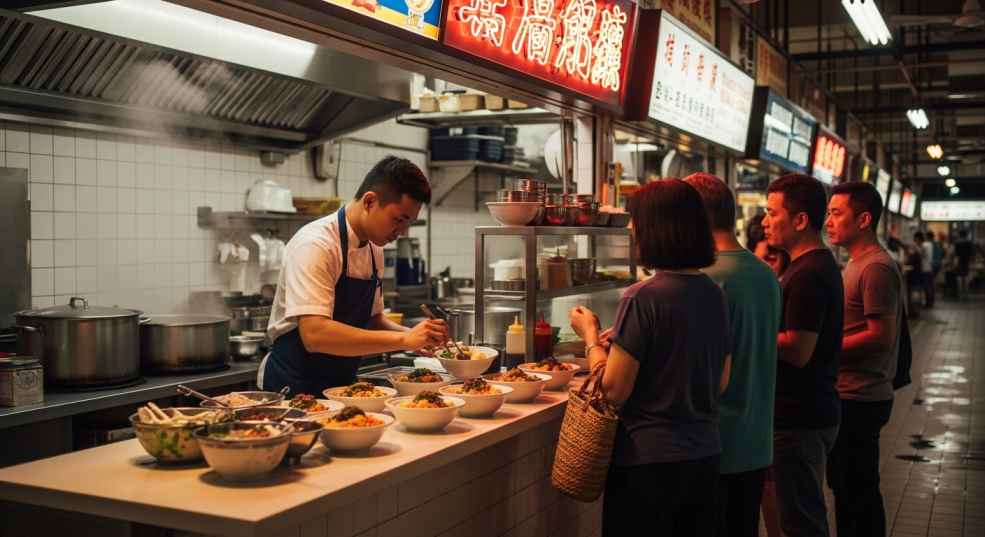
The entire mathematical equation gets complicated when we introduce our beloved local food culture. If your only goal is to spend the absolute minimum amount of money possible, the neighborhood food centre usually wins the battle. You can easily find a satisfying plate of chicken rice or mixed vegetable rice for just a few dollars. Some local food stalls even hold prestigious Michelin recommendations while keeping their prices incredibly low.
Unfortunately, our deeply affordable local fare is rarely a dream for your physical health. Most of these incredibly cheap dishes rely heavily on processed carbohydrates, massive amounts of cooking oil, and high sodium content. Finding truly balanced and nutritious options outside your home quickly drains your wallet. According to community polls, buying a demonstrably healthy meal outside will cost you $10 or more on average. A visually appealing salad at a fancy cafe easily sets you back at least $11. In stark contrast, throwing together a fresh and healthy salad in your own kitchen only costs about $3 to $4. You regain total control over your nutritional intake without paying a massive premium.
We talk endlessly about financial budgets but often completely ignore our most precious daily resource. Preparing your own food demands significant time and physical effort. You have to travel to the store, queue up at the checkout counter, wash the fresh produce, and meticulously clean all the pots and pans afterward. Some financial enthusiasts love to bring up the strict concept of opportunity cost to justify eating out.
Imagine it takes you exactly one hour to prepare a nice meal and clean up your kitchen space. If you have the active option to spend that exact same hour giving private tuition and earning $40, cooking only makes strict financial sense if it saves you more than $40. Unless your home cooked meal saves you that exact amount, the rigid math suggests you are actually losing money by standing at the stove.
The opportunity cost argument sounds completely brilliant on paper. However, it blindly assumes you constantly have a side hustle available and possess the unlimited energy to actually do it. Most regular people spend their precious evening hours resting and recharging. Furthermore, your physical living environment plays a massive role in your daily motivation. Many local residents living in public housing note that their kitchens are quite compact. Some home setups only feature a standard ceiling fan instead of a proper exhaust fan to pull out cooking smoke.
After surviving a grueling day of work in our notoriously hot tropical weather, standing over a hot stove feels completely exhausting. Some office workers do not clock out until well past 6 PM or even 10 PM. Additionally, individuals renting single rooms often face complaints from housemates about the strong smell of stir fried garlic permeating the shared space. These environmental hurdles make it incredibly tempting to just grab a quick takeout box on the way home.
Your actual savings depend entirely on where you choose to source your raw ingredients. Navigating the local retail landscape is crucial for keeping your independent budget perfectly intact. Frequent shoppers have established a clear and reliable hierarchy of local supermarkets based strictly on daily affordability.
Understanding this distinct retail hierarchy helps you determine the true cost of cooking vs eating out Singapore. Doing a massive grocery run at a premium outlet will absolutely destroy any potential savings you hoped to achieve.
If you genuinely want to unlock extreme savings and master your single living costs Singapore, you need to visit traditional wet markets. Veteran shoppers routinely report that prices at traditional local markets can be up to 50 percent cheaper than those found at standard air conditioned supermarkets. For instance, a full basket of fresh ingredients at Geylang Serai Market recently cost one shopper just $13.80. Those exact same items would have cost approximately $17.50 at a standard neighborhood supermarket.
Buying at a traditional market also allows you to purchase exact micro quantities. If a recipe only calls for a tiny piece of ginger, you can buy exactly that amount. This incredible flexibility perfectly supports creating cheap meals for one Singapore without filling your trash bin with rotten leftover vegetables. You can also easily find highly specific local ingredients like winged beans and midin fern that rarely appear on standard supermarket shelves.
Walking blindly into a grocery store is a guaranteed way to overspend. You need a solid plan to make your kitchen efforts worthwhile. The most effective strategy involves choosing two to three related regional cuisines for your upcoming week. For example, if you plan to cook Thai, Vietnamese, and Indonesian dishes, you will notice they share many core ingredients. This smart overlap guarantees a wonderful variety of flavors while producing almost zero food waste.
You should aim to buy one to three different types of protein such as chicken, pork, or tofu. Pair these with up to five different types of fresh vegetables. Carbohydrates like jasmine rice, flat banmian noodles, skinny panmee, and standard spaghetti are incredibly cheap and completely non perishable. You only need to restock these base items once every few months.
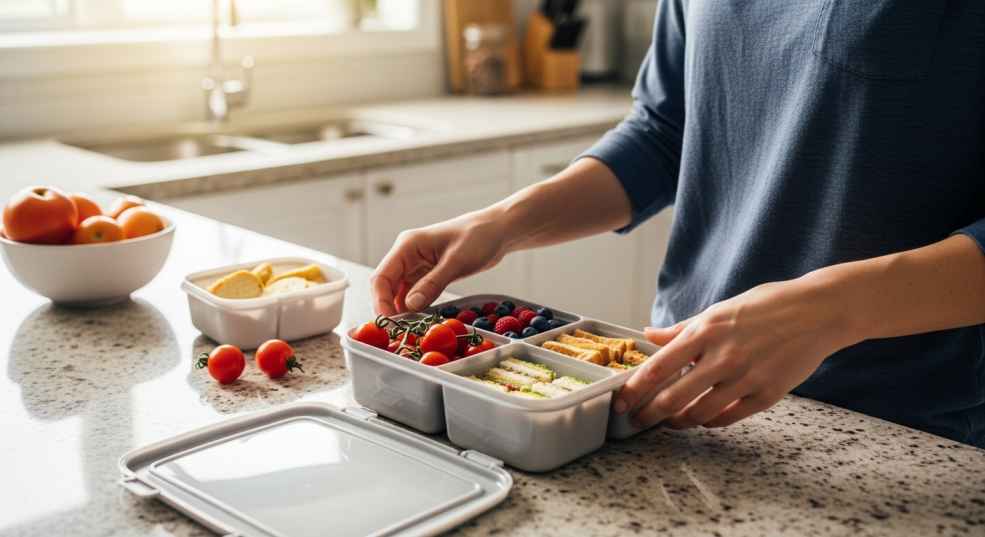
Basic economies of scale naturally benefit large households. When a parent prepares food for five hungry people, the absolute cost per person plummets dramatically. Singles must actively use clever kitchen tactics to mimic this group efficiency. Meal prepping is incredibly effective for busy professionals. You can easily cook all your planned portions on a quiet Sunday afternoon and simply heat them up during the busy work week.
Proper storage is the absolute key to stretching your grocery budget. Portion your fresh meat immediately before freezing it so you only thaw exactly what you need for one sitting. Prepare two different marinades to keep your weekly flavors exciting. The salt in your marinade actually helps preserve the meat longer. Keep fast ripening fruit like papayas strictly in your fridge. Rely on sturdy vegetables like fresh cabbage and carrots because they survive much longer than delicate leafy greens.
If the mere thought of heavy evening cooking tires you out, remember that not every single meal requires a smoking hot wok and intense preparation. You can easily prepare several quick nutritional items that take almost zero active time.
Transitioning from daily restaurant food to home prepared meals takes genuine commitment. Outside food contains significantly more cooking oil, sodium, and flavor enhancers. Your taste buds will definitely need a brief adjustment period. Set a realistic personal goal to cook your own dinner perhaps four times a week rather than demanding instant perfection.
The endless debate over the cost of cooking vs eating out Singapore ultimately depends entirely on your personal life priorities. If you simply want maximum daily convenience and rock bottom prices without caring about nutrition, the neighborhood food stall remains your best friend. But if you deeply care about your physical health and want high quality ingredients, utilizing your own kitchen will reliably save you thousands of dollars over the year.
Beyond the purely financial math, preparing your own meals offers wonderful intangible benefits that stretch far beyond your wallet. Many young professionals find the physical process incredibly fun and surprisingly cathartic. Chopping vegetables serves as a fantastic emotional release after a highly stressful day staring at office screens. Taking complete and total charge of your personal nutrition brings a profound sense of independence and deep pride that money simply cannot buy.