You might spot them on a coffee table or tucked away on a wooden shelf in a sunny apartment. They are small and colorful and surprisingly detailed. At first glance they look like simple toys for children. But look closer and you see the familiar red stools and the tiny plastic bowls of laksa. These Lego stall replicas are popping up across the city and they tell a much deeper story than just a hobby.
There is something undeniably nostalgic about seeing a tray of satay or a plate of chicken rice captured in miniature bricks. For many locals these creations represent the soul of the community. They are a way to bring the bustling energy of the street into the quiet corners of a modern home. This trend is not just about building blocks but about capturing the fleeting moments of our daily lives.
The rise of these miniatures coincides with a growing desire to preserve our local food heritage. As the city changes and old buildings make way for new ones these tiny sets serve as anchors to the past. They remind us of the smells of frying garlic and the sound of uncle shouting an order for kopi o. Each brick is a tribute to the places where we grew up and the flavors that define us.
What makes these builds so special is the level of obsession involved. Creators spend hours finding the perfect translucent stud to represent a glass of iced tea. They hunt for specific pieces that mimic the exact curve of a porcelain spoon. This dedication mirrors the passion found in Singapore hawker culture itself where masters spend decades perfecting a single recipe for the public.
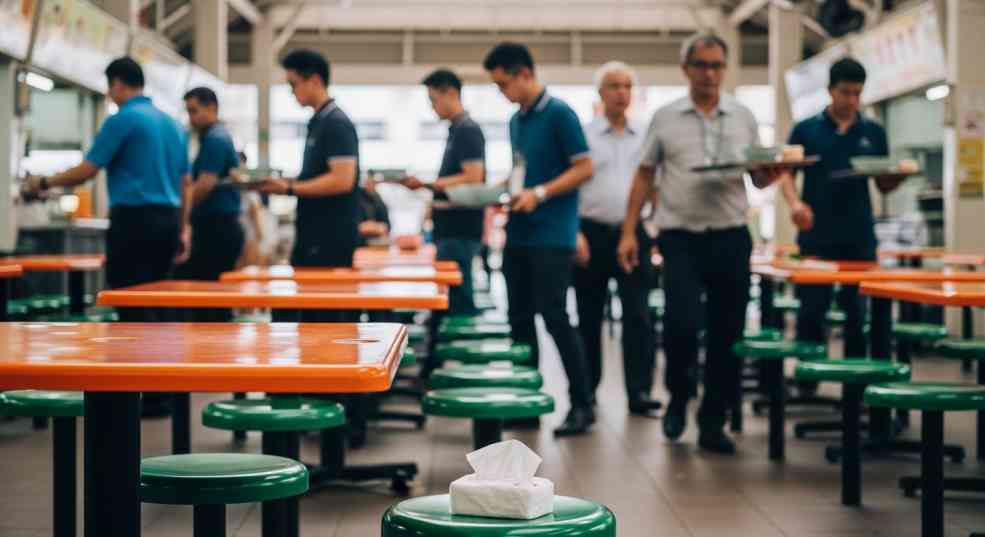
When you hold one of these models you are holding a piece of identity. These are not generic city sets found in a global toy store. They are deeply specific to our streets. You see the tiny tissue packets used to chope a seat and the miniature fans that struggle to keep the heat at bay. It is this accuracy that sparks a smile from anyone who has ever queued for an hour for the perfect plate of noodles.
Many of the people buying or building these sets are doing so to tell heartwarming Singapore stories to the next generation. It can be difficult to explain the magic of an old school food center to a child who only knows air conditioned malls. These Lego stall replicas act as a bridge between the generations. They allow parents to point at a tiny plastic cart and share memories of their own childhood favorites.
The community around this hobby has grown into a collective effort to document our local food heritage. People share designs and swap rare parts to ensure their favorite stall is represented accurately. It is a grassroots movement that celebrates the everyday heroes of our food scene. Every finished model is a small victory for the preservation of our shared history.
These hawker center tributes are also finding their way into offices and gift shops. They have become the preferred way to say thank you or to welcome someone back home. They carry a weight of emotion that a standard souvenir simply cannot match. Seeing a tiny carrot cake stall on a desk in a high rise office is a grounding reminder of where we come from.
As the trend continues to grow it is clear that these miniatures are here to stay. They offer a sense of comfort and a way to hold onto the things that make our city unique. In a world that often moves too fast these little plastic scenes invite us to slow down and appreciate the simple joy of a good meal and a familiar face. They are small in size but they carry a massive amount of heart.
The next time you see a tiny plastic stall remember that it is more than a toy. It is a labor of love and a celebration of the streets we call home. It is a reminder that our culture is worth building and protecting one brick at a time. The story behind these stalls is really the story of us and that is why they are appearing everywhere you look.