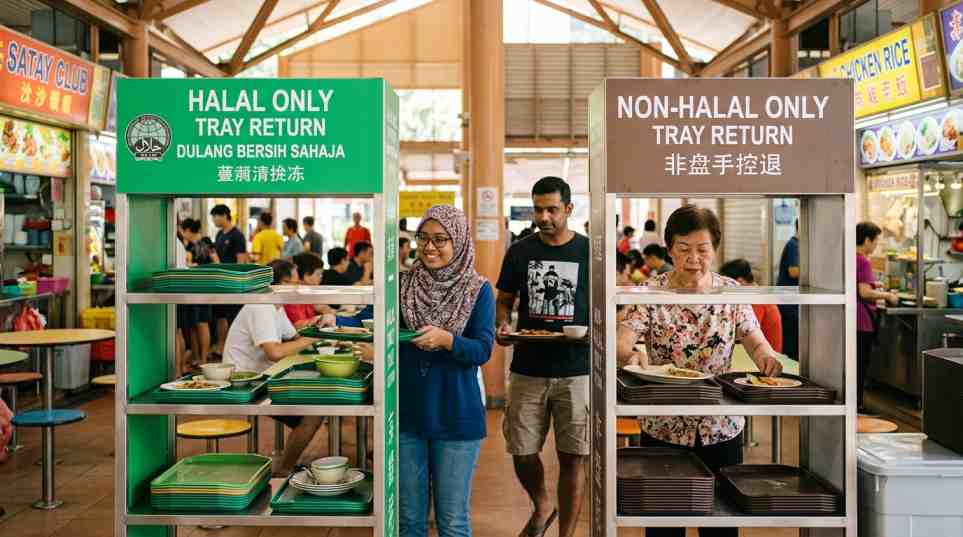
Walking through the warm streets of our city reveals a culinary landscape that goes far beyond the modern trend of expensive kale bowls and imported quinoa. While the rest of the world might be just discovering plant based eating, the kitchens here have been perfecting meatless recipes for generations. If you look past the polished glass of central business district cafes, you will find the soul of our food culture in the aromatic corners of local neighborhoods and the quiet halls of ancient temples.
The Spiritual Roots of Buddhist Vegetarian Singapore
For many locals, meatless dining is not a lifestyle choice but a deeply ingrained spiritual practice. The tradition of Buddhist vegetarian Singapore cuisine focuses on the concepts of compassion and purity. You can see this most clearly in the communal dining halls of local temples or the humble stalls located near religious sites. This style of cooking avoids the use of pungent aromatics like garlic and onions, relying instead on the natural sweetness of vegetables and the complex textures of fermented soy products.
In these kitchens, the focus remains on providing hearty sustenance that honors the earth. You might encounter thick stews filled with lotus root, peanuts, and red dates. These dishes are designed to balance the body and provide energy without the heaviness of meat. The atmosphere in these dining spaces is often reflective and calm, providing a stark contrast to the busy energy of the modern city outside.
The Craft of Texture and Taste
One of the most fascinating aspects of this tradition is how chefs create satisfying mouthfeel without animal products. They use techniques that have been passed down through centuries. Mushrooms are often dried and rehydrated to create a concentrated umami flavor that rivals any meat broth. Tofu skins are layered and pressed to mimic the density of poultry or fish. It is a masterclass in culinary ingenuity that predates any modern food science laboratory.
A Journey Through Best Indian Vegetarian Food Traditions
Crossing into the lively streets of Little India, the air changes as the scent of toasted cumin and fresh curry leaves takes over. This area is the heart of the best Indian vegetarian food in the region. Unlike the often subtle flavors of East Asian vegetarianism, the South Indian tradition is a bold explosion of heat and spice. Here, the meal is often an experience that involves your hands and all your senses.
The cornerstone of this experience is often the thali, a large round plate or a banana leaf containing a variety of small bowls. Each bowl offers a different flavor profile: sour yogurt, spicy lentil dhal, cooling cucumber raita, and pickled vegetables. This method of eating ensures that every taste bud is stimulated. It is a balanced approach to nutrition that has kept our community healthy for decades.
The Daily Ritual of the Crispy Pancake
You cannot discuss this tradition without mentioning the art of the fermented rice pancake. Skilled cooks pour thin batter onto hot circular griddles, swirling it into a giant, paper thin crepe. Served with a side of potato masala and various chutneys, it remains one of the most popular breakfasts in the city. The fermentation process used in the batter not only adds a distinct tang but also makes the dish incredibly easy to digest.
The Heritage and Mock Meat History of the Region
While many modern diners are wary of processed foods, the mock meat history of this part of the world is actually quite ancient. It originated centuries ago as a way to provide familiar textures to visitors or those transitioning to a meatless diet. It was never meant to be a chemical imitation. Instead, it was an artisanal craft using wheat gluten and soy.
Traditional producers would spend hours kneading dough to develop the perfect elasticity. They would then braise or fry these pieces in soy sauce and five spice powder. The result was something that looked like duck or pork but remained entirely plant based. Today, you can still find these traditional versions in neighborhood markets, often sold alongside fresh noodles and greens.
| Feature |
Traditional Heritage Style |
Modern “Salad Bar” Style |
| Primary Protein |
Handmade Seitan and Soy |
Imported Beans and Quinoa |
| Flavor Profile |
Deep Spice and Umami |
Light Dressings and Raw Greens |
| Dining Setting |
Hawker Centers and Temples |
Fast Casual Cafes |
| Aromatics |
Selective (No Garlic/Onions) |
Unrestricted |
Comfort Food at Vegetarian Hawker Stalls
If you want to eat like a true local, you must visit the vegetarian hawker stalls that dot every housing estate in the city. These stalls are the backbone of our dining culture. They offer affordable, quick, and incredibly tasty meals that prove you do not need a big budget to eat well. These vendors often specialize in just a few dishes, perfecting them over decades of service.
The most iconic dish you will find is the vegetarian version of fried carrot cake. Despite the name, it is actually made from white radish and rice flour. Stir fried with eggs, preserved radish, and plenty of dark soy sauce, it provides a smoky and charred flavor that locals crave. It is simple, unpretentious, and completely satisfying.
- Look for the green signage which usually indicates a meatless stall.
- Try the bee hoon with various sides like crispy beancurd skin and stir fried cabbage.
- Ask for the spicy sambal on the side to control the heat level of your meal.
- Visit early in the morning for the freshest selection of sides.
Eating at a traditional stall is a lesson in efficiency and community. You will often see retirees, office workers, and students all sitting together at communal tables. There is a shared understanding of the value of a good, honest meal. It is here that the city feels most like a home.
Essential Ingredients in Traditional Vegetarian Food SG
The depth of traditional vegetarian food SG comes from a specific pantry of ingredients that provide layers of flavor. While a salad bar might rely on fresh produce alone, our heritage kitchens use preserved and fermented items to create complexity.
The Power of Soy
Soy is used in every conceivable form. There are silken tofus for soups, firm pressed blocks for frying, and fermented bean pastes that act as a salty base for sauces. The versatility of the soybean is what allowed our ancestors to thrive without meat. It provides the protein necessary for a long day of work while absorbing the flavors of whatever it is cooked with.
Natural Color and Flavor
Instead of artificial additives, traditional cooks use plants to enhance their dishes. Blue pea flowers provide a soft indigo hue to rice, while pandan leaves offer a sweet and floral aroma that defines local desserts. Turmeric is used not just for its earthy taste but for its anti inflammatory properties and bright golden color.
Local Pro Tip: When visiting a traditional vegetarian eatery, always check if they follow the “Oriental Vegetarian” rules. This means they exclude garlic, onions, and leeks. It creates a very different flavor profile that relies more on ginger and herbs for its aromatic kick.
How to Order Like a Local
Ordering at these stalls can be intimidating if you are not familiar with the system. Usually, there is a display of various dishes behind a glass pane. You start by choosing your base, usually rice or thin rice noodles. From there, you point to three or four side dishes that look appealing.
- Choose your starch base first: White rice, brown rice, or fried noodles.
- Select a protein: Look for braised tofu or the famous crispy “goose” made from soy skin.
- Add a green vegetable: Stir fried bok choy or long beans are classic choices.
- Finish with a gravy: Most stalls will offer a ladle of curry gravy over your rice for free.
The beauty of this system is that no two plates are ever the same. You can mix and match flavors based on your mood. It is a personalized dining experience that has existed long before the modern “build your own bowl” concepts became popular in shopping malls.
Finding authentic vegetarian dining in our city is a rewarding journey into our shared history. It is a reminder that the best flavors are often found in the most unassuming places. Whether you are sitting on a plastic stool at a hawker center or enjoying a quiet meal in a temple, you are participating in a tradition that values health, compassion, and community. Next time you are hungry, skip the trendy salad chain and seek out a green sign in your local neighborhood. Your taste buds and your wallet will thank you.