Many Americans choose to move to Singapore from USA because of the incredible career opportunities and the high standard of safety. It is a global financial hub that consistently ranks among the most livable cities on the planet. For those coming from busy American metros, the infrastructure here is a breath of fresh air. The public transport system runs like a well oiled machine and the city is incredibly green despite its density.
English is the primary language for business and education which makes the transition much easier for families. You will find a thriving international business scene where finance, tech, and consulting roles are abundant. The strategic location also makes it an ideal base for exploring the rest of Southeast Asia during your weekends or holidays.
Expert Insight: While you might hear that chewing gum is illegal, the reality is more nuanced. Singapore focuses on cleanliness and order, creating a safe environment where children often use public transport independently, a level of security that is rare in many large US cities.
Before you pack your bags, you must secure the right legal status to live and work on the island. As a US passport holder, you can enter for up to 90 days for tourism or business. However, long term residency requires a specific pass sponsored by an employer or Enterprise Singapore.
If you hold an EP or S Pass, your spouse and children can usually apply for a Dependent Pass. This allows your family to reside with you. For parents of EP holders, a Long Term Visit Pass may be an option, though it comes with more limited rights regarding employment. Processing these applications can take several weeks or even a few months, so starting early is essential for a stress free move.
Understanding the cost of living for Americans in SG is vital for budgeting your relocation. While some expenses like housing and cars are significantly higher than in the States, other costs such as public transport and dining at hawker centers are remarkably affordable. Healthcare is world class and often more efficient than the systems found back home.
| Expense Type | Singapore (SGD) | USA (USD) |
|---|---|---|
| Monthly Rent (2 to 3 Bedroom Condo) | 4,000 to 10,000+ | 3,000 to 6,000+ |
| Monthly Groceries | 600 to 900 | 400 to 700 |
| Dining Out (Mid Range) | 800 to 1,500 | 600 to 1,200 |
| Monthly Transport (Public) | 100 to 150 | 100 to 200 |
| Utilities and Internet | 200 to 400 | 200 to 500 |
Public transport is a major area of savings. Owning a car in Singapore is a luxury due to high taxes and fees meant to control the vehicle population. Most expats find the MRT and bus networks so efficient that they never feel the need for a private vehicle.
One of the most complex parts of expat life in Singapore is managing your relationship with the Internal Revenue Service. Unlike most countries, the US taxes its citizens on worldwide income regardless of where they live. This means you will still need to file your taxes back home every year.
The good news is that you can often avoid double taxation. By utilizing the Foreign Earned Income Exclusion and foreign tax credits, many Americans significantly reduce or eliminate their US tax liability. Singapore itself uses a progressive income tax system with a top rate of around 22 percent for high earners. There is no capital gains tax or inheritance tax here, which is a major draw for investors and entrepreneurs.
Securing property is usually the biggest challenge for newcomers. Most Americans choose to rent for the first few years to get a feel for different neighborhoods. Singapore housing for foreigners primarily consists of private condominiums which often include amenities like swimming pools, gyms, and 24 hour security.
If you decide to purchase a home, you should be aware of the Additional Buyer Stamp Duty. As of 2025, foreigners face an ABSD rate of 60 percent of the property value. This is a substantial upfront cost that makes renting more attractive for those on temporary assignments. You can buy private condos without prior approval, but purchasing landed property requires permission from the Land Dealings Approval Unit.
The rental market is dynamic. While prime central areas remain in high demand, suburban locations have seen more supply recently, leading to softer rents in those zones. Most leases are for one or two years. It is common to work with a property agent who can help you filter listings and handle the negotiations with landlords.
Your choice of neighborhood will define your daily life. Each area has a distinct personality and caters to different lifestyle needs.
Setting up your life involves a few administrative hurdles like opening a bank account and securing health insurance. Most employers provide private health insurance as part of your contract. Private hospitals here are excellent with short wait times and modern facilities. Once you have your work pass and your local phone number, setting up utilities and internet usually takes just a few days.
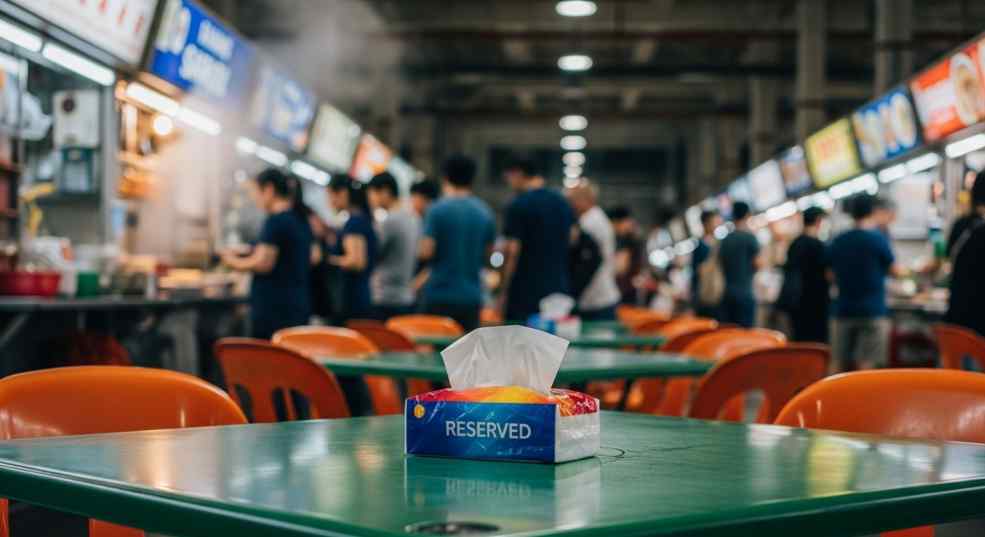
Integration is often smooth because locals are welcoming and the expat community is massive. Whether you are joining a sports club or attending professional networking events, you will find it easy to make friends. The food culture is another highlight. From five star dining to local hawker stalls, the variety of cuisines is a daily adventure for your palate.
Relocating across the globe is a massive undertaking, but you do not have to do it alone. At Homejourney, we provide the verified listings and market insights you need to find the perfect home in Singapore. Whether you are looking to rent a condo in River Valley or explore investment opportunities, we are here to help you move with total confidence.
Explore Singapore Properties